Sub-Total: $0.00
Research Applications by Compound

All products are intended strictly for in vitro laboratory research use only. The following outlines commonly studied applications within controlled research environments.
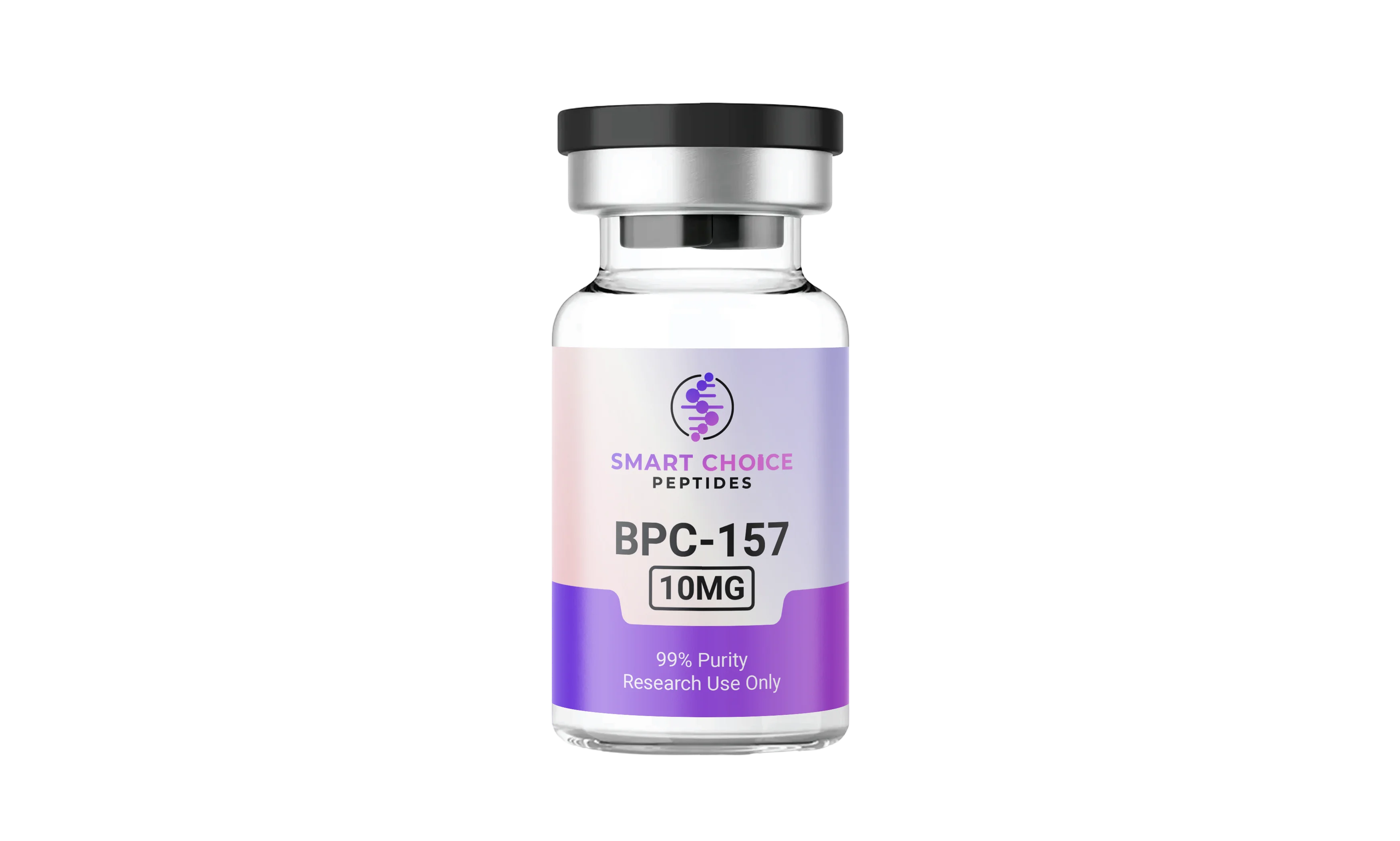
BPC-157 is commonly studied for its role in tissue repair and regenerative signaling pathways.
Research areas include:
- Cellular migration and proliferation in soft tissue models.
- Angiogenesis (formation of new blood vessels).
- Inflammatory pathway modulation.
- Gastrointestinal epithelial integrity and repair mechanisms.
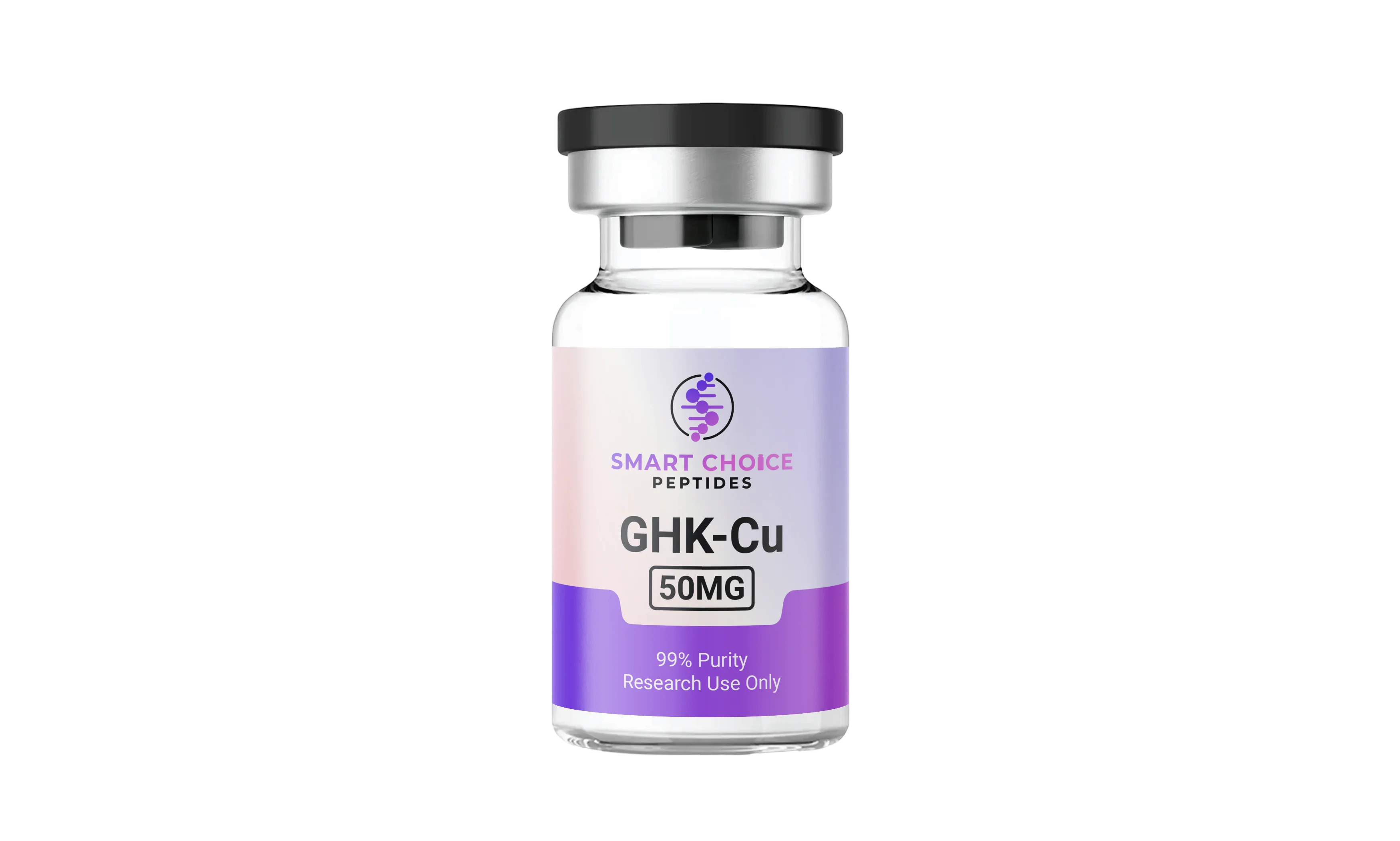
GHK-Cu is widely investigated for its involvement in collagen synthesis and tissue remodeling.
Research areas include:
- Collagen production and extracellular matrix activity.
- Skin and connective tissue regeneration pathways.
- Gene expression related to repair processes.
- Anti-inflammatory and antioxidant signaling.
This combination is studied for synergistic effects on cellular repair and recovery signaling.
Research areas include:
- Actin regulation and cellular movement.
- Tissue regeneration and wound healing models.
- Angiogenesis and blood vessel development.
- Coordinated repair signaling across multiple tissue types.
MOTS-C is investigated for its role in mitochondrial signaling and metabolic regulation.
Research areas include:
- Cellular energy production and ATP regulation.
- Insulin sensitivity and glucose metabolism.
- Stress response pathways at the cellular level.
- Exercise-mimetic signaling mechanisms.
Retatrutide is studied for its activity across multiple metabolic receptor pathways.
Research areas include:
- GLP-1, GIP, and glucagon receptor signaling.
- Appetite regulation and energy balance mechanisms.
- Lipid metabolism and energy expenditure.
- Multi-pathway metabolic coordination.
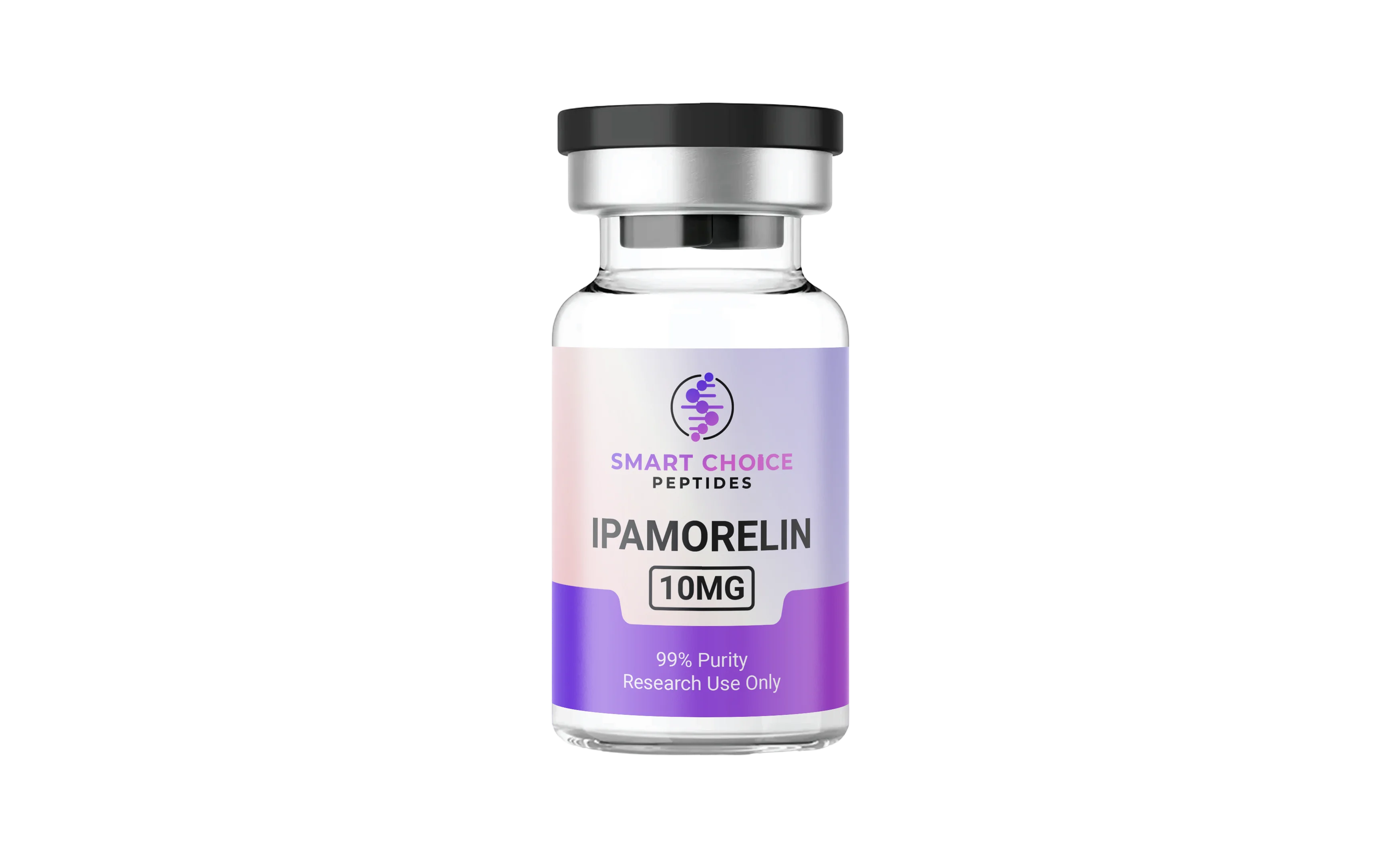
Ipamorelin is commonly used in research involving growth hormone signaling pathways.
Research areas include:
- Growth hormone (GH) release mechanisms.
- IGF-1 pathway activation.
- Protein synthesis and muscle cell signaling.
- Endocrine system regulation.